Pigmentation and Uneven Skin Tone Treatment in London
Pigmentation treatment in London combines a medical-grade topical plan with in-clinic treatment that calms the inflammation driving uneven tone, alongside the sun protection that stops it returning.

Overview
Understanding pigmentation
Pigmentation is one of the concerns patients most often arrive having already spent time and money on, with disappointing results. Over-the-counter brightening products rarely contain actives at a concentration that changes anything.
The underlying process is overproduction of melanin by pigment cells that have been provoked, usually by ultraviolet light, by inflammation, or by hormones. That is why the pattern matters: sun-driven pigmentation sits where light falls, post-inflammatory marks sit exactly where a spot or an injury was, and hormonal melasma forms symmetrical patches across the cheeks and upper lip.
Treatment has to address both the pigment already there and the trigger still producing it. Without daily sun protection any improvement reverses, which is the single most common reason patients feel nothing has worked.
Why it happens
What causes pigmentation?
-
Cumulative ultraviolet exposure stimulating melanin production
-
Post-inflammatory hyperpigmentation following acne, eczema or injury
-
Hormonal melasma, associated with pregnancy and the combined oral contraceptive pill
-
Deeper Fitzpatrick skin phototypes, which pigment more readily in response to any insult
-
Skin trauma from picking, waxing or over-aggressive treatment
-
Inadequate or inconsistent daily sun protection
Treatment approach
How does Dr Harriet treat pigmentation?
Medical-Grade Skincare
Complimentary assessmentThe foundation for every pigmentation plan. A personalised prescription-strength routine targeting melanin production, combined with consistent daily sun protection, is what produces durable change. Complimentary assessment for every patient seen in clinic, with products delivered to your door.
See treatment detail →Polynucleotides
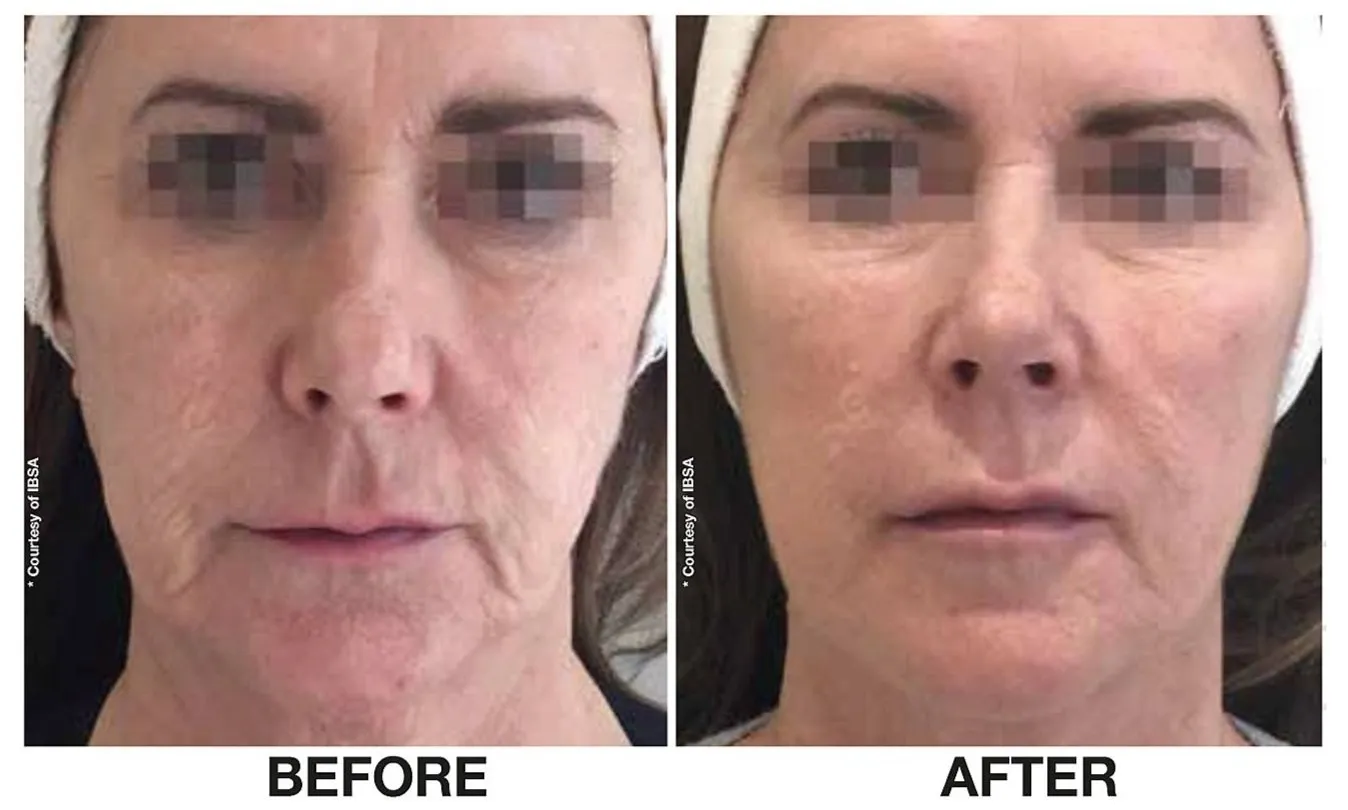
From £300Patients notice reduced pigmentation and redness alongside improved texture, because the treatment calms the low-grade inflammation that drives melanin overproduction. Particularly useful for post-inflammatory pigmentation following acne. Course of two to three treatments.
See treatment detail →The Skin Consultation
£50 deposit, redeemableThe assessment matters more here than the product. Identifying whether pigmentation is sun-driven, post-inflammatory or hormonal determines the whole plan, and treating melasma as if it were sun damage makes it worse. Dr Harriet assesses the pattern before recommending anything.
See treatment detail →FAQ
Common
questions
Why has over-the-counter skincare not worked for me?
Usually because the active ingredients are at concentrations too low to change melanin production, or because sun protection has not been consistent enough alongside them. Patients often come to Dr Harriet having spent time and money on over-the-counter treatments with disappointing results.
Can pigmentation be removed permanently?
It can be substantially reduced, but the pigment cells that produced it remain and will respond again to the same trigger. That is why ongoing daily sun protection matters as much as the treatment itself. Melasma in particular is managed rather than cured, and tends to recur.
Does the type of pigmentation change the treatment?
Considerably. Sun-driven pigmentation, post-inflammatory marks left after acne, and hormonal melasma each respond to different approaches, and treating melasma too aggressively can make it worse rather than better. Dr Harriet assesses the pattern and distribution across your face before building a plan, because getting that distinction wrong wastes both time and money.
Is treatment safe for darker skin?
It needs to be chosen carefully. Deeper Fitzpatrick phototypes pigment more readily in response to any insult, so treatments that injure the skin can leave more pigmentation than they remove. Topical plans and gentle regenerative treatments are usually the safer route, and Dr Harriet will advise accordingly.
Related Concerns

Get Started
Ready to begin?
Book today.
Dr Harriet Clinics • 1 Orchard Street, UNTIL Marylebone, London W1H 6HJ
BookAppointments typically available within 1–2 weeks