Acne and Acne Scarring Treatment in London
Acne and acne scarring treatment in London separates the active condition, which needs a medical answer, from the marks and texture it leaves behind, which respond to skin regeneration.

Overview
Understanding acne scarring
Acne and acne scarring are two different problems and they need treating in the right order. Working on scarring while the acne is still active is largely wasted effort, because new lesions keep producing new marks.
Active acne is a medical condition driven by excess oil, blocked follicles, bacteria and inflammation. Dr Harriet practises as a GP as well as in aesthetic medicine, which means she can be straightforward about when a prescription route or a dermatology referral is the right answer rather than an in-clinic treatment.
Once the acne is controlled, what remains falls into two categories. Post-inflammatory marks, which are flat discolouration and fade with the right topical plan. And true scarring, where the skin has lost tissue and the surface is textured. Those are treated differently, and the distinction is worth understanding before spending money on either.
Why it happens
What causes acne scarring?
-
Excess sebum production, often hormonally driven
-
Blocked hair follicles trapping oil and dead skin cells
-
Overgrowth of Cutibacterium acnes bacteria within blocked follicles
-
Inflammation that damages surrounding collagen and leaves scarring
-
Picking or squeezing lesions, which deepens both marks and scars
-
Delayed treatment of moderate to severe acne, the strongest predictor of permanent scarring
Treatment approach
How does Dr Harriet treat acne and acne scarring?
Polynucleotides
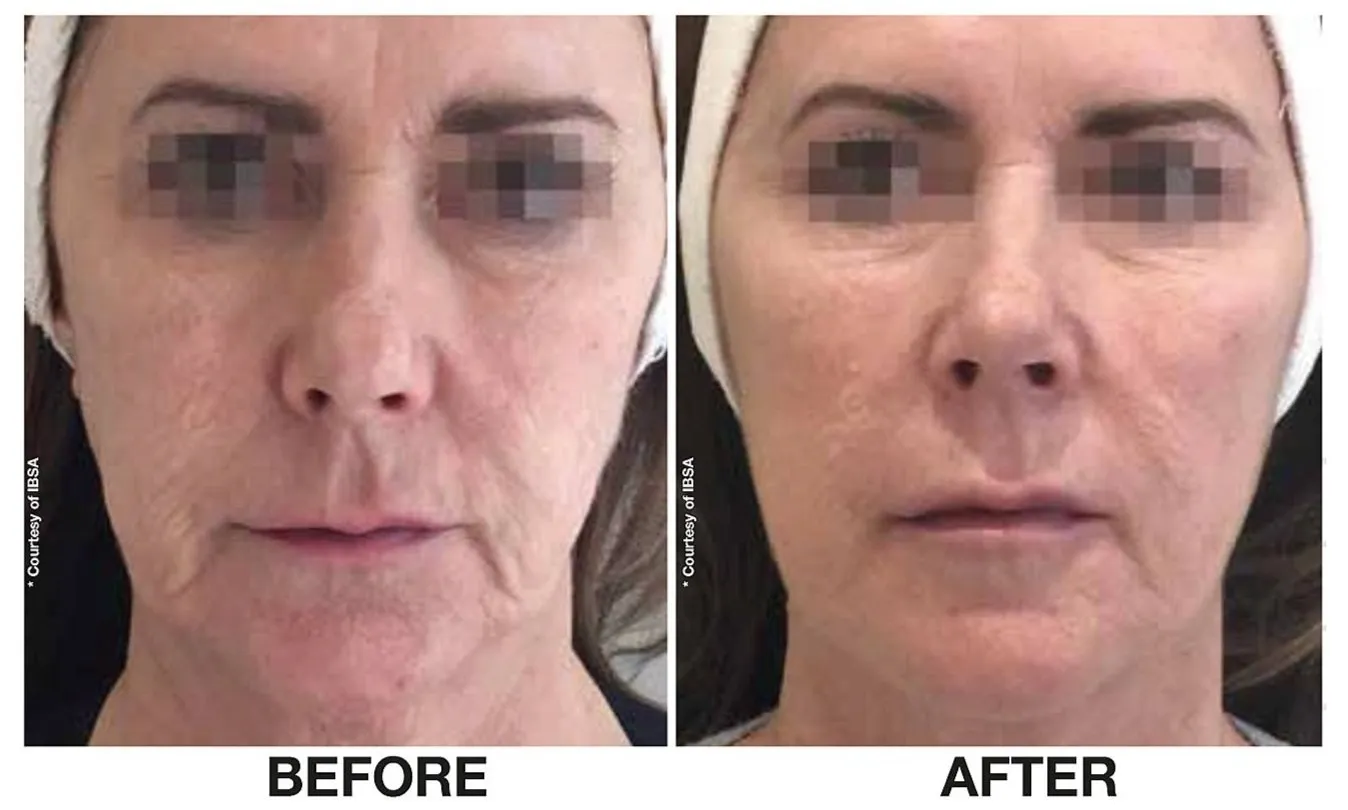
From £300Dr Harriet notes that patients see improvements in acne alongside reduced pigmentation and redness and better texture, because the treatment calms the inflammation driving both. Useful for post-inflammatory marks and for the texture left by mild scarring. Course of two to three treatments.
See treatment detail →Medical-Grade Skincare
Complimentary assessmentThe foundation for both active acne and the marks it leaves. Patients often arrive having spent time and money on over-the-counter products with disappointing results. A personalised plan at appropriate concentrations, with daily sun protection, is what makes the difference.
See treatment detail →The Skin Consultation
£50 deposit, redeemableWhere the assessment happens. Dr Harriet will identify whether you have active acne needing a medical route, post-inflammatory pigmentation, or true textural scarring, and will refer on where a prescription or dermatology pathway is more appropriate than anything offered in clinic.
See treatment detail →FAQ
Common
questions
Should I treat my acne or my scarring first?
Acne first, always. Treating scarring while the acne is still active is largely wasted effort, because new lesions keep producing new marks. Once the acne is controlled and stable, scarring can be assessed properly and treated with a clear view of what is actually there.
What is the difference between acne marks and acne scars?
Marks are flat discolouration left after inflammation settles, and they fade over months with the right topical plan and sun protection. Scars involve actual loss or distortion of tissue, so the skin surface is textured. Marks respond to skincare; true scars need treatments that remodel the dermis.
Can Dr Harriet prescribe for active acne?
She practises as a GP as well as in aesthetic medicine, so she can assess your acne properly and advise on the appropriate route. Where a prescription or a dermatology referral is the better answer than an in-clinic treatment, she will tell you that rather than treating you regardless.
Will treatment work if I have darker skin?
Yes, but the choice of treatment matters more. Deeper Fitzpatrick phototypes pigment readily in response to any insult, so treatments that injure the skin can leave more discolouration than they remove. Regenerative and topical approaches are usually safer, and Dr Harriet will advise on this.
Related Concerns

Get Started
Ready to begin?
Book today.
Dr Harriet Clinics • 1 Orchard Street, UNTIL Marylebone, London W1H 6HJ
BookAppointments typically available within 1–2 weeks